

Latest News & Articles
Welcome our new Master of Public Health Leadership students
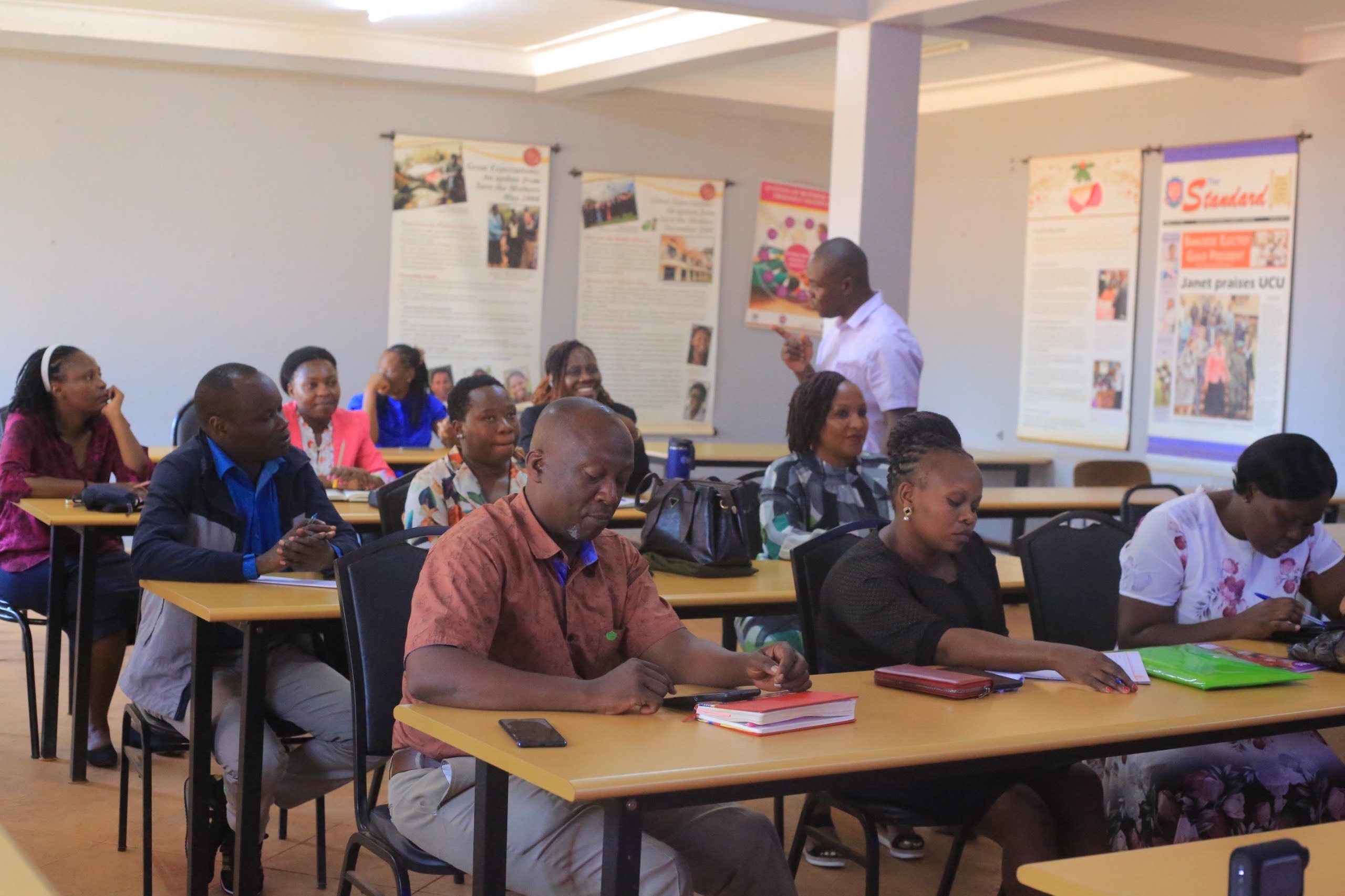
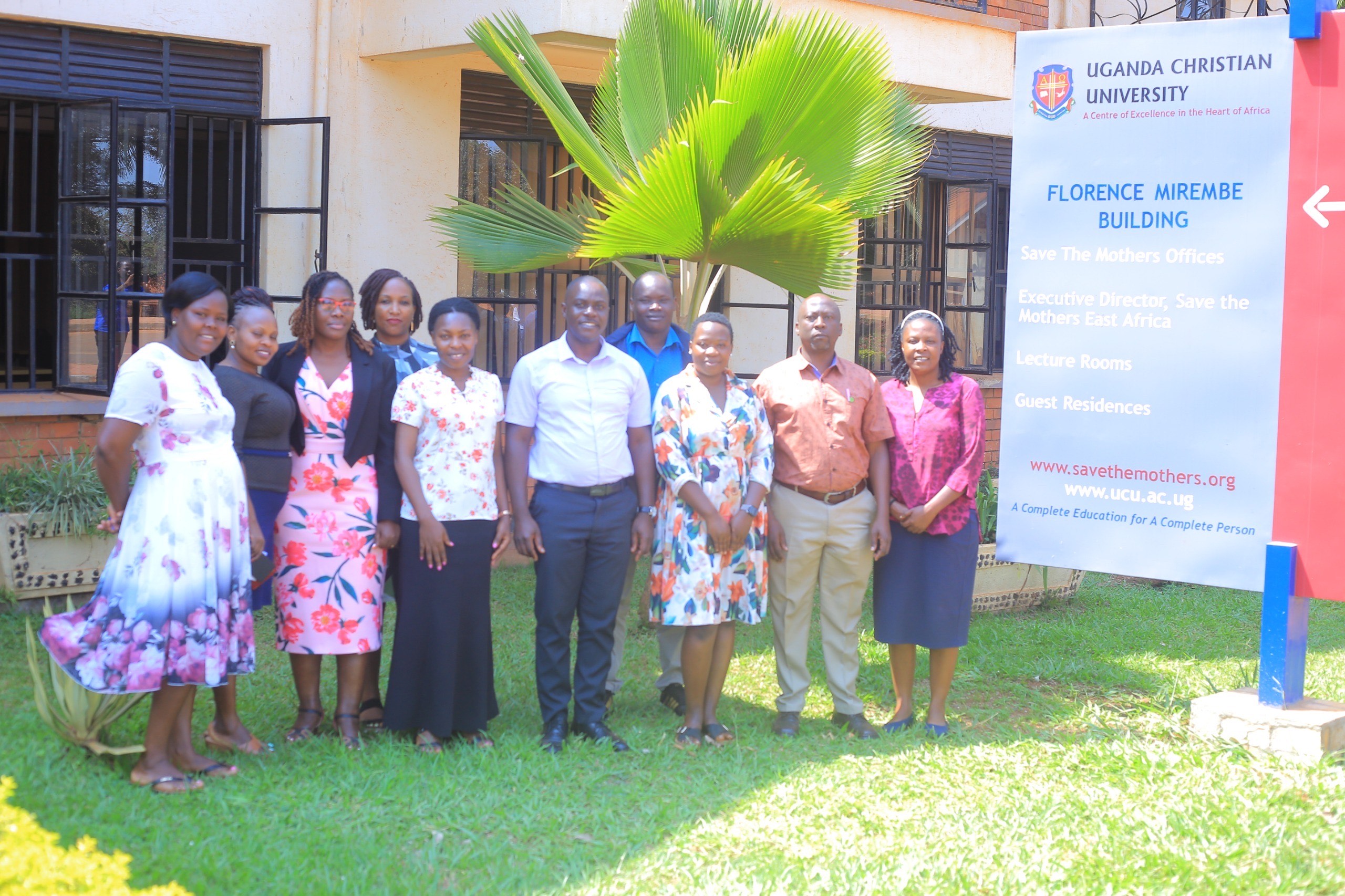
Save the Mothers is delighted to welcome our new Master of Public Health Leadership (MPHL)students who joined for the September 2025 intake, and to warmly welcome back our continuing students.
The Advent Semester officially began on 8 September 2025 and runs until December 2025, with lectures and exams conducted online.
New!! New!! New!!
Before the semester commenced, STM hosted a Faculty Luncheon on 3 September 2025 at Jean Chamberlain Froese House, bringing lecturers together to plan and connect in preparation for the semester.
We appreciate the valuable contributions of our alumni and students, which greatly enriched this year’s recruitment efforts.
We look forward to seeing our growing network of public health leaders advance safe motherhood across East Africa and beyond.
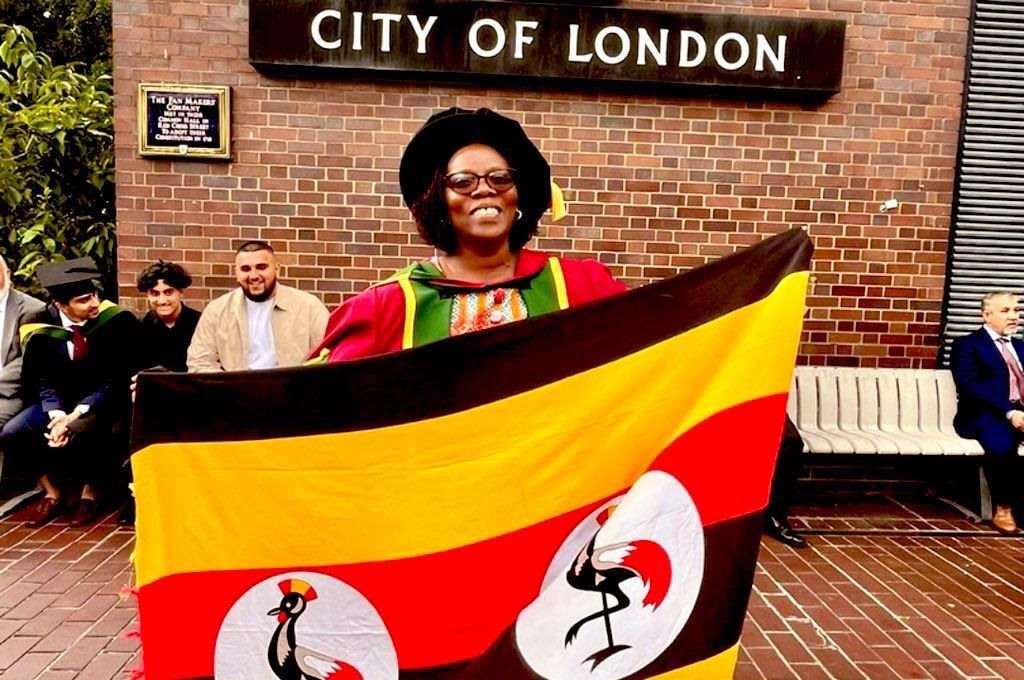
Outstanding Award Presentation 2025
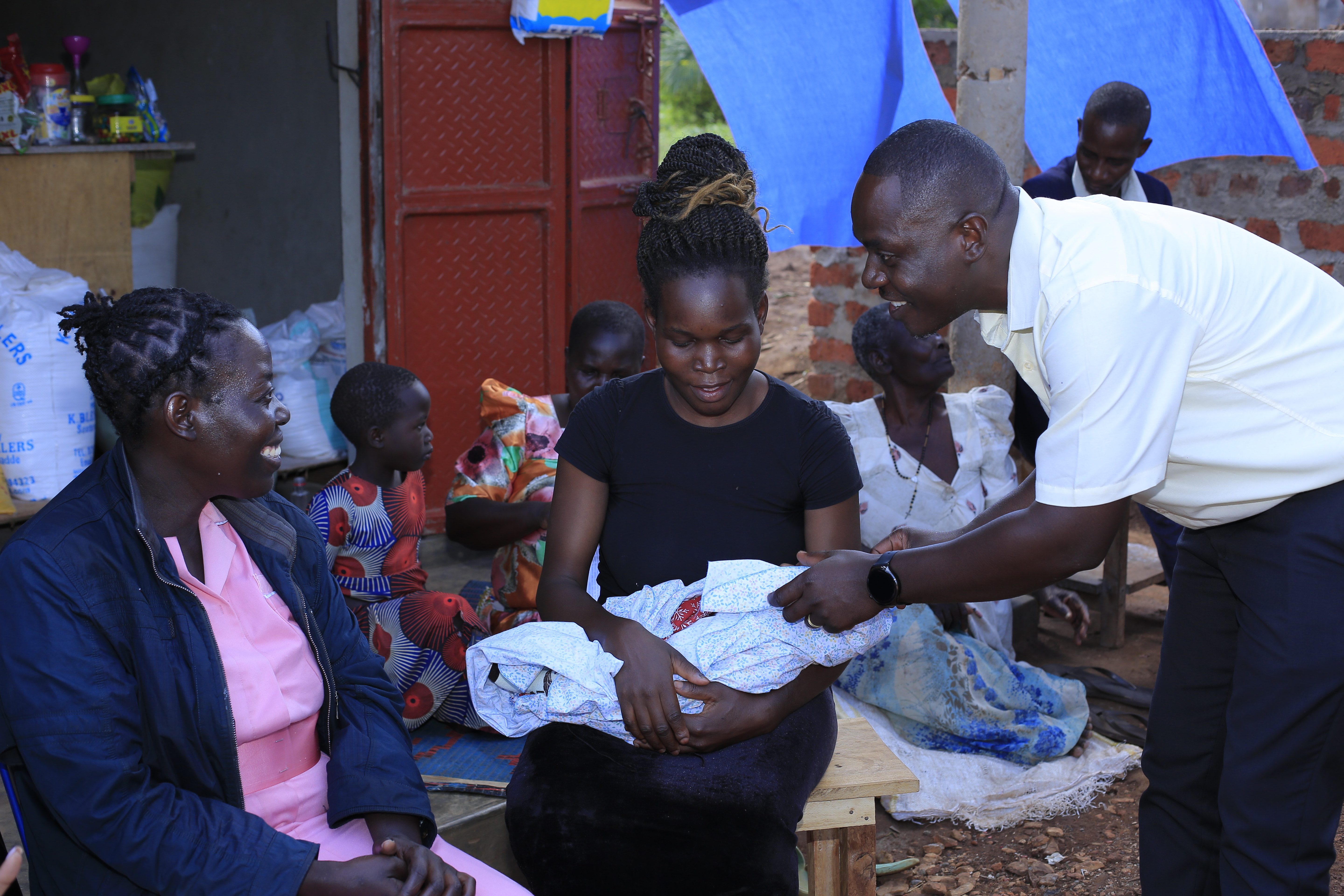
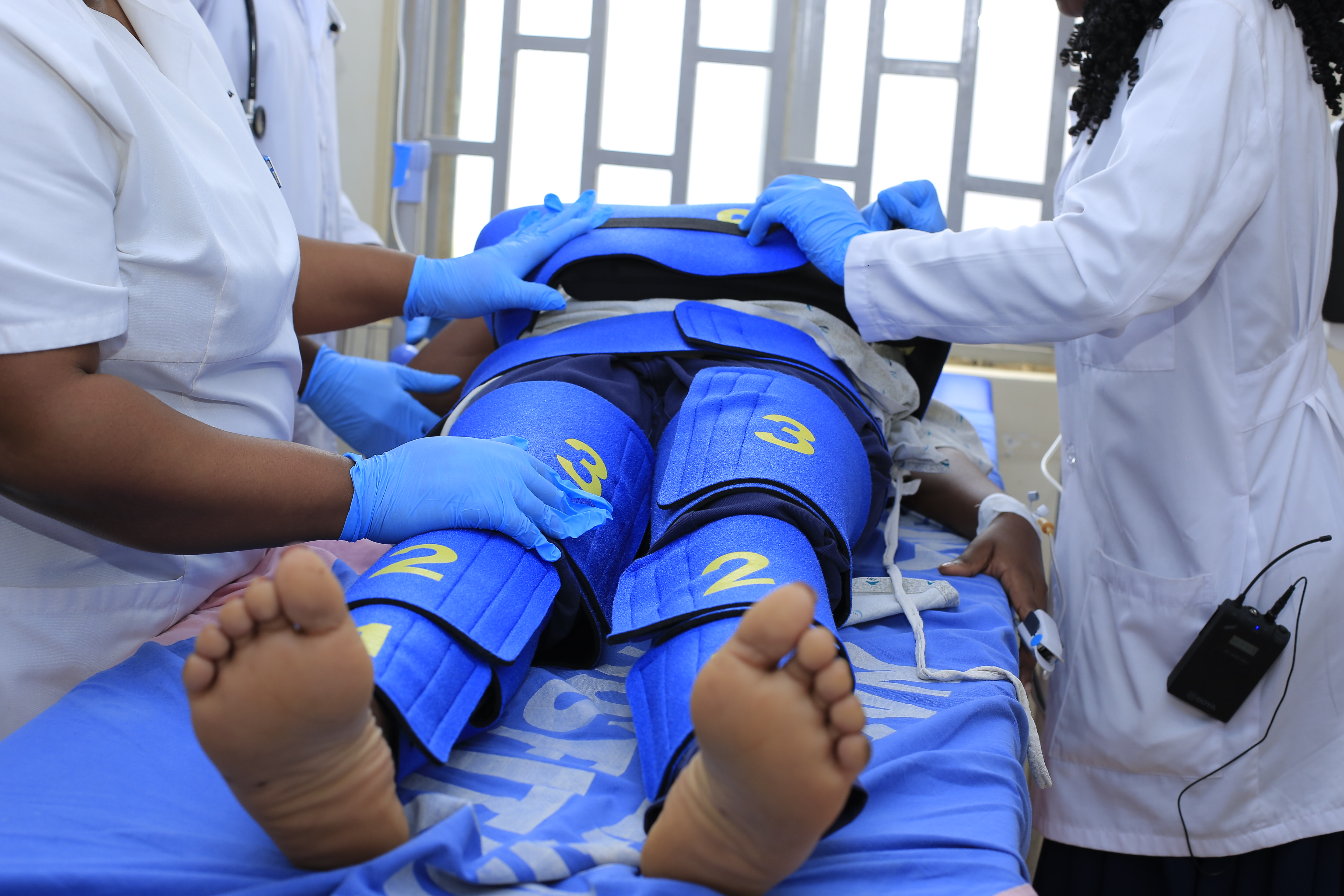
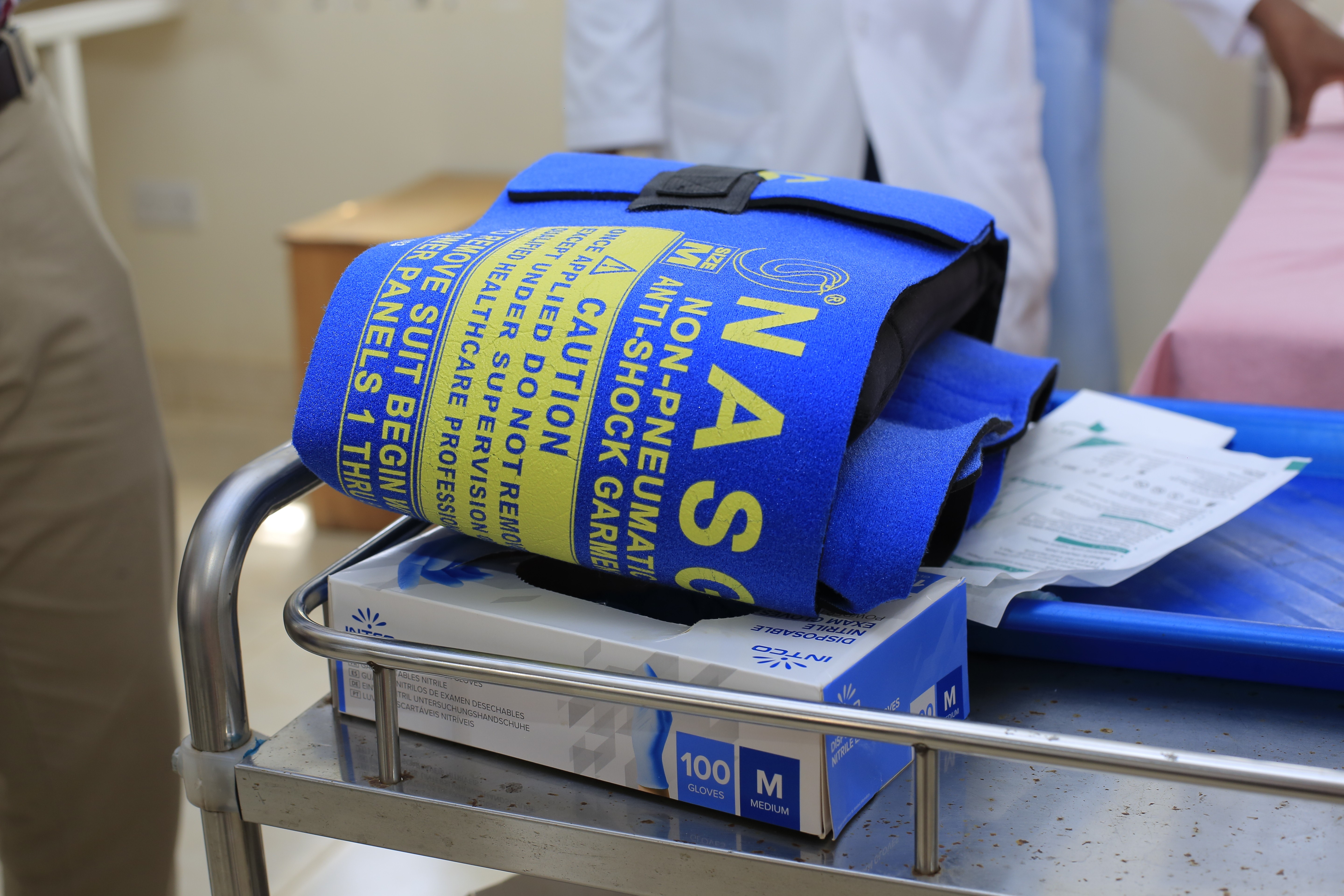
Saving Mothers’ Lives with the NASG: A Lifeline Against Excessive Bleeding
Postpartum hemorrhage, or excessive bleeding after childbirth, remains the leading cause of maternal death in Uganda and across Sub-Saharan Africa. Globally, 287,000 mothers and 4 million children die every year from preventable complications. Nearly 95% of these deaths occur in Sub-Saharan Africa, where timely intervention is often out of reach.
One simple, low-cost device is changing this story: the Non-Pneumatic Anti-Shock Garment (NASG). The NASG is a lightweight, reusable suit made of neoprene and Velcro. When wrapped around a bleeding mother, it applies gentle pressure that redirects blood flow to vital organs like the heart, lungs, and brain, stabilizing her until definitive treatment is available.
In 2023, through our Mother Baby Friendly Hospital Initiative, Save the Mothers donated 25 NASGs to six hospitals: Kawolo, St. Francis Naggalama, Mukono General, St. Francis Nyenga, Mukono Church of Uganda hospitals, and Buvuma Health Centre IV.
At Kawolo Hospital, the NASG stabilizes 7–10 mothers every month. On Buvuma Island, a hard-to-reach district where access to referral hospitals requires crossing Lake Victoria the garment has been a lifeline mothers.
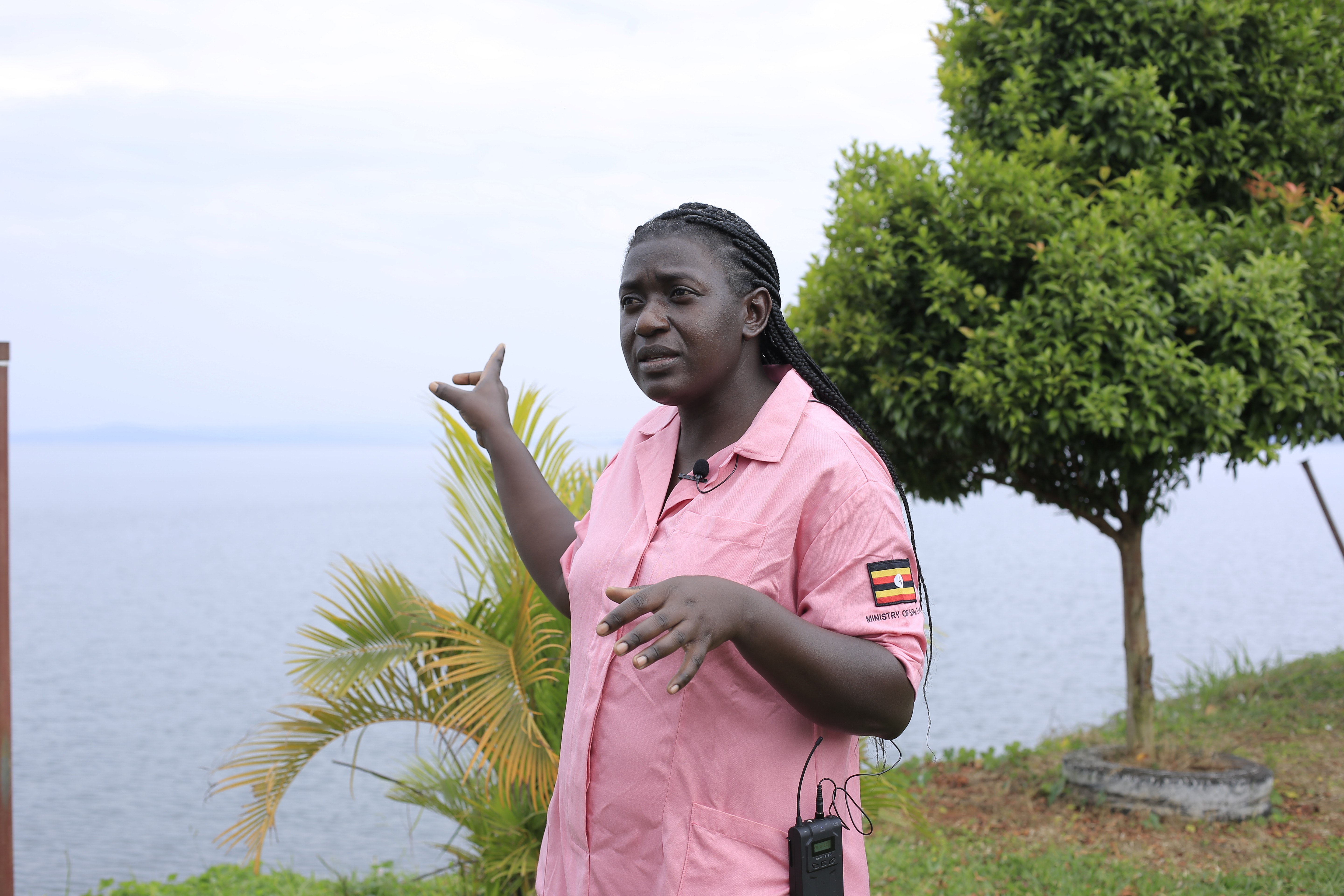
Health workers have called it a game-changer. Midwife Yudaya at Kawolo says: “Before, we lost many mothers on the way to referral hospitals. Now, with the NASG, we stabilize them here first. It has changed everything.” Midwife Rose at Buvuma adds: “If anyone tried to take away the NASG from our unit, I would fight to keep it. We cannot imagine working without it.” And Sr. Nekesa at Kawolo affirms: “These garments are a lifeline. We urgently need more suits and training for our teams.”
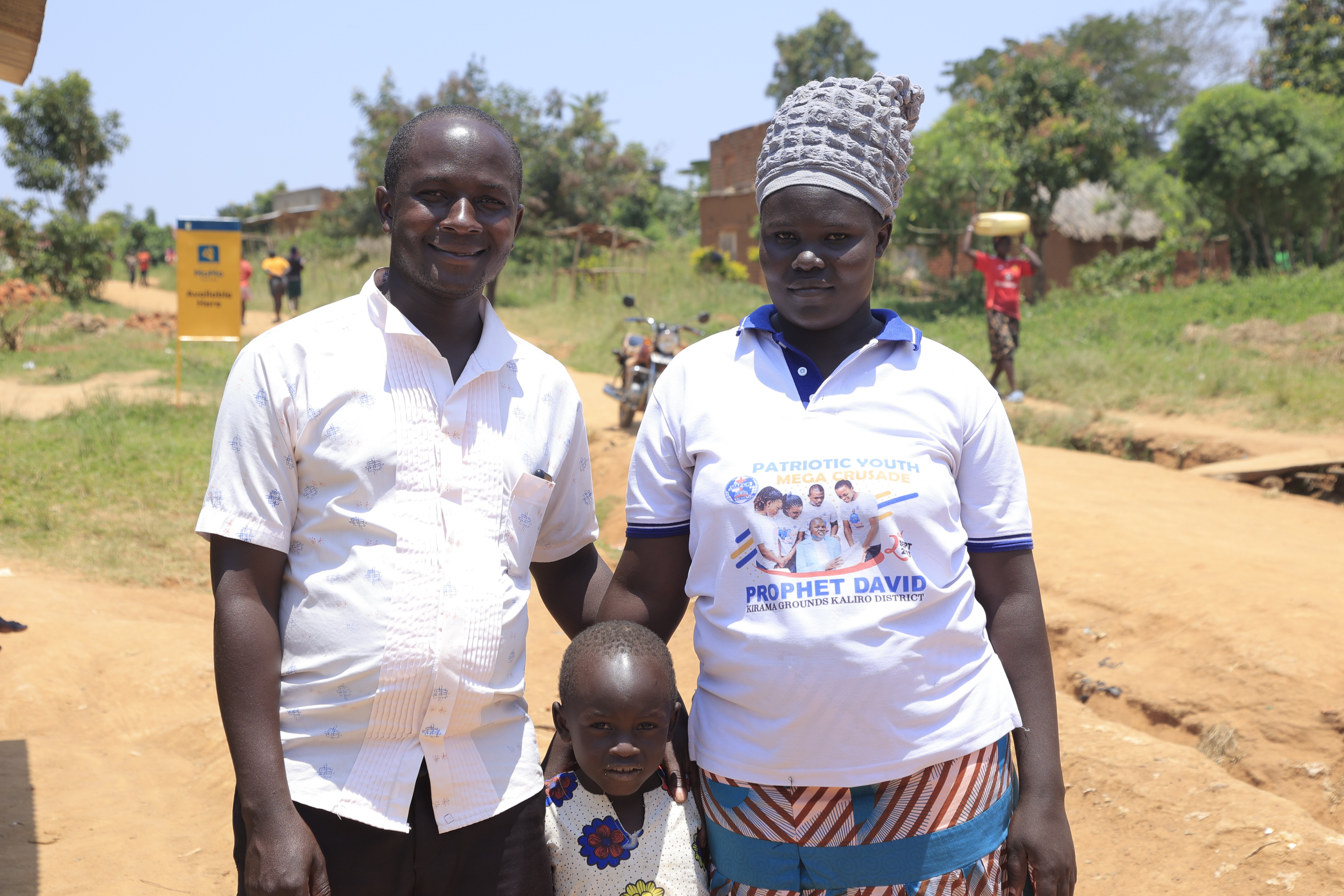
Mothers, too, share stories of hope. Fazira, who was unconscious from heavy bleeding, woke up alive after being wrapped in the garment. Winnie from Buvuma, who lost her baby but survived surgery, said: “I lost a lot of blood, but because of the NASG, I am here. I am alive.”
This intervention directly supports WHO’s postpartum hemorrhage guidelines and contributes to Sustainable Development Goal 3: reducing maternal mortality worldwide.
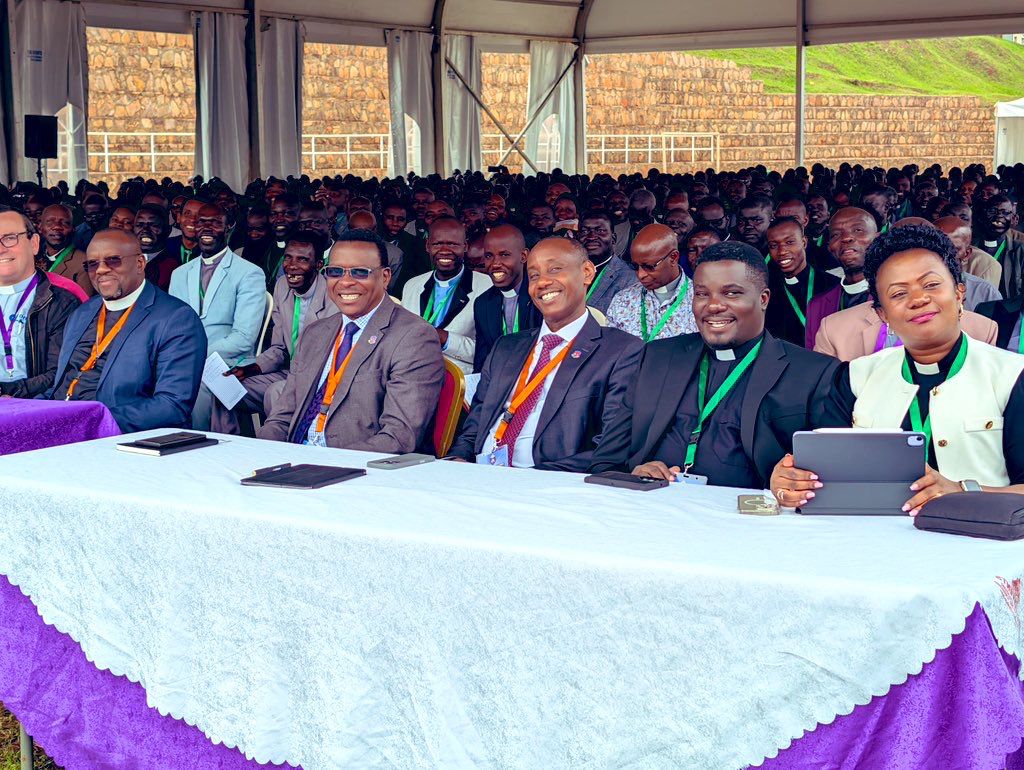
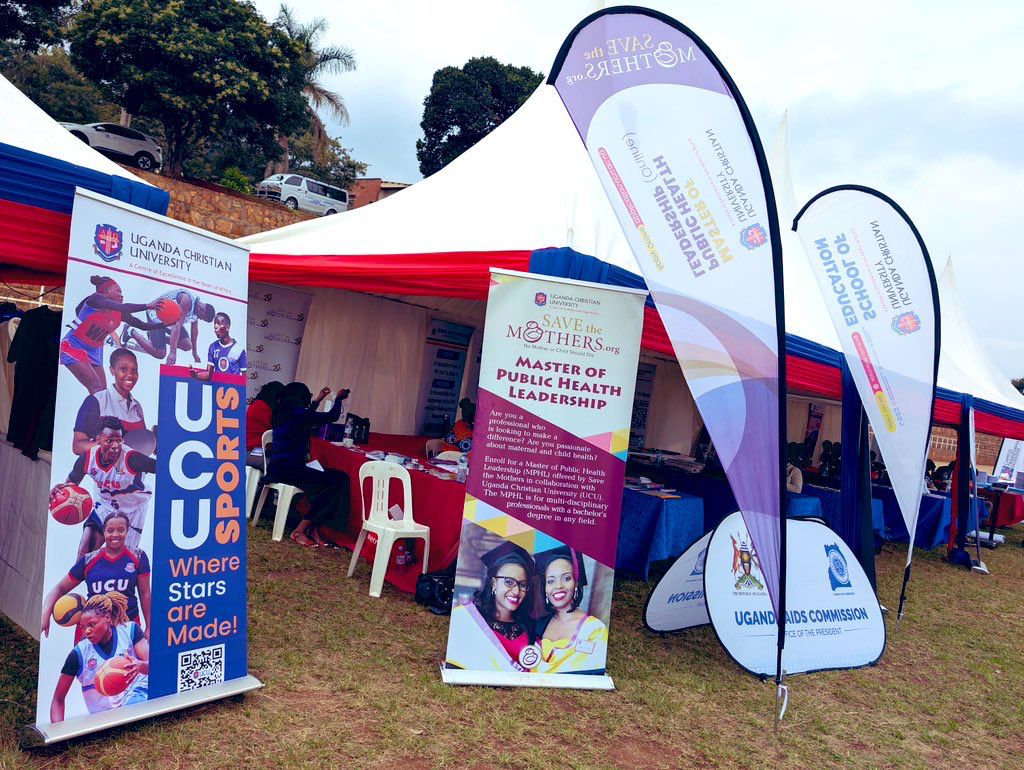
Save the Mothers Engages Clergy at Church of Uganda's All Clergy Conference
Save the Mothers recently participated in the Church of Uganda's All Clergy Conference (ACC) held at Uganda Christian University from August 18-21, 2025. The conference brought together over 2600 clergy from 39 dioceses, providing a platform for Save the Mothers to engage with these key partners in promoting maternal and child health.
During the conference, Save the Mothers showcased its Master of Public Health Leadership (MPHL) program, highlighting opportunities for clergy to enroll and enhance their skills in driving positive change in public health. The MPHL program equips multidisciplinary professionals with the expertise to make a lasting impact in their communities.
By partnering with clergy, Save the Mothers aims to leverage their influence and reach to promote maternal and child health initiatives, ultimately contributing to a healthier and more prosperous communities.
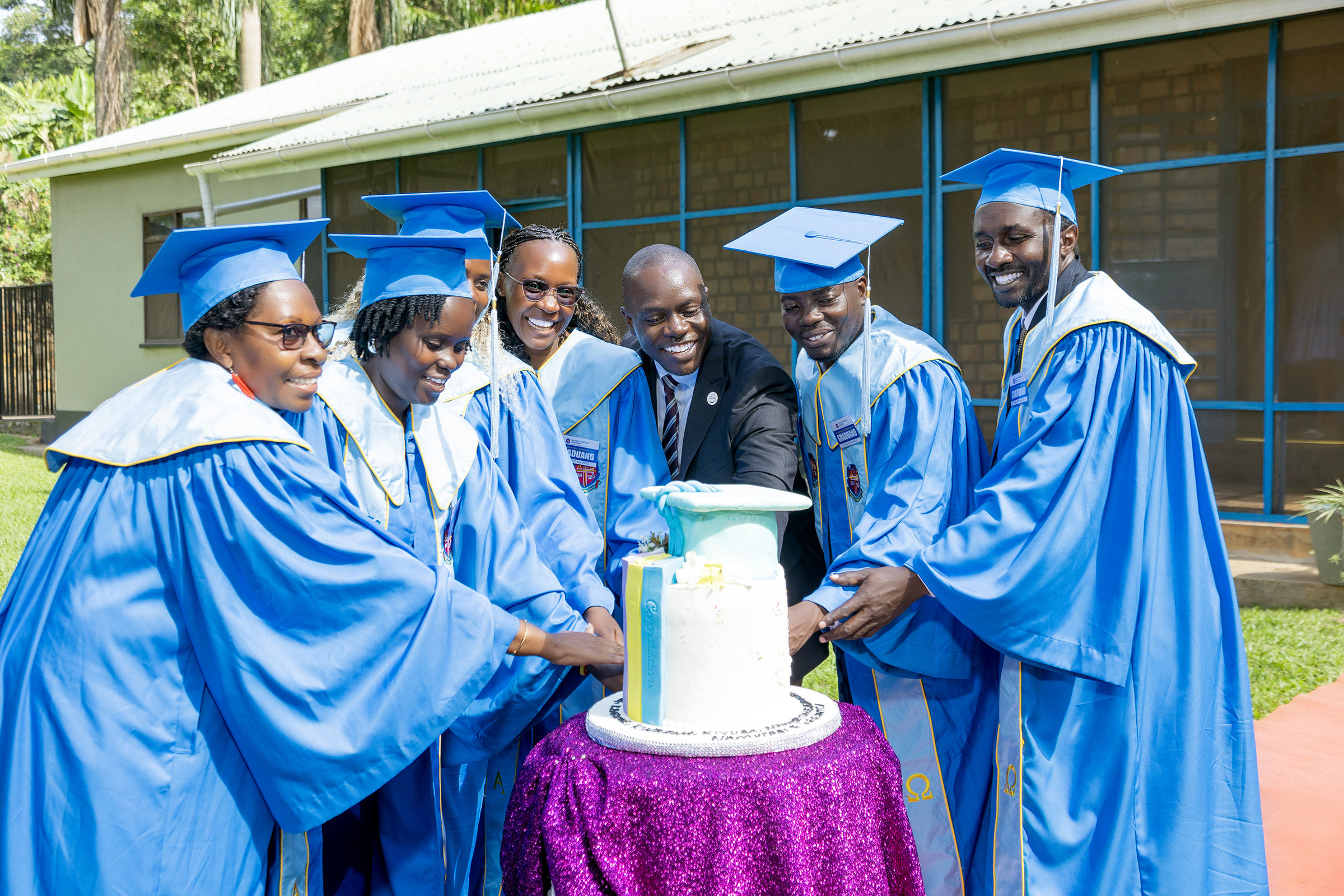
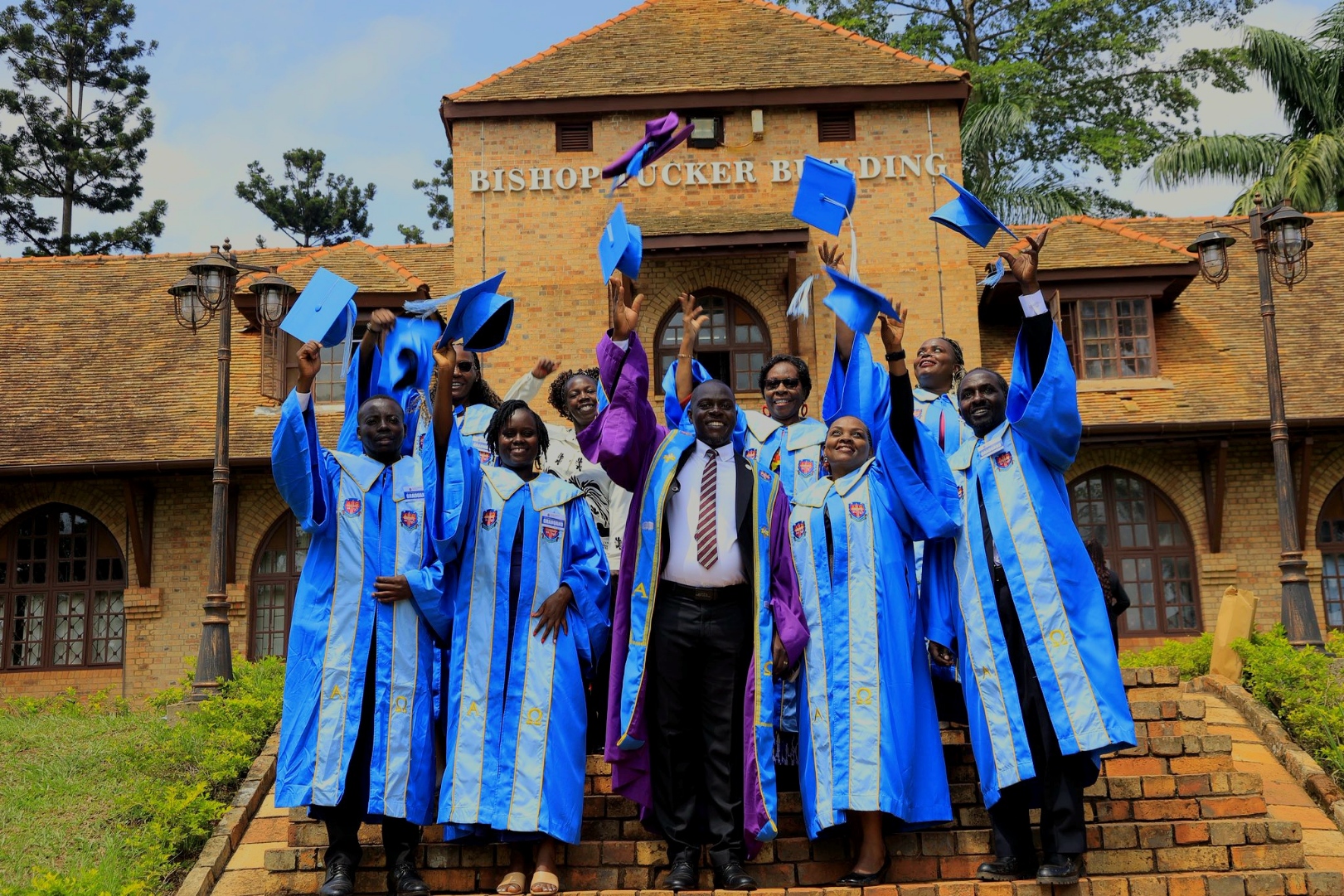
Honoring Our MPHL Trailblazers: July 2025 Graduation Highlights
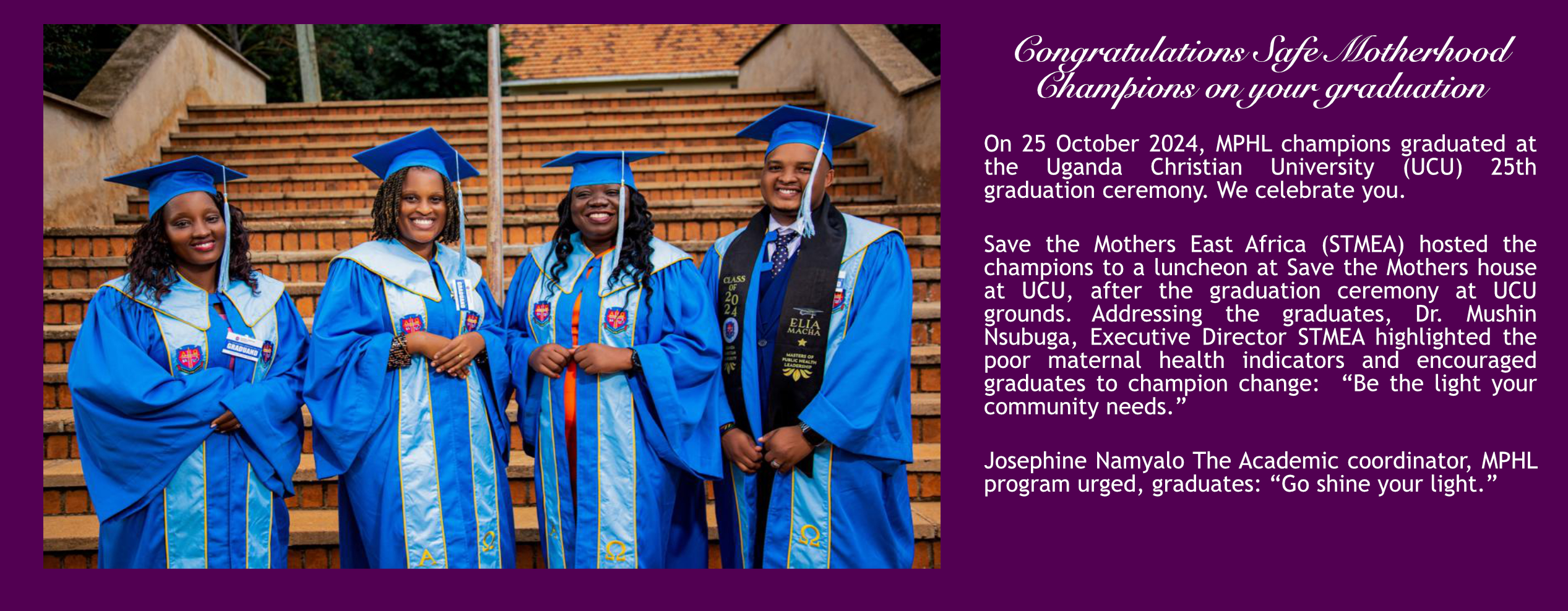
We’re thrilled to celebrate seven exceptional individuals who completed the Master of Public Health Leadership program at Uganda Christian University this July. Their dedication to advancing maternal and child health inspires us all.
Meet the graduates making waves:
- Joan Kansiime 5. Kiweewa Pascal
- Maraka Veronica 6. Zuena Namutebi
- Acheng Brenda 7. Ivan Kiyuba
- Namara Sarah Golden
These graduates have demonstrated resilience, leadership, and a deep commitment to transforming health outcomes in their communities. Their journey marks the beginning of impactful work across East Africa and beyond.
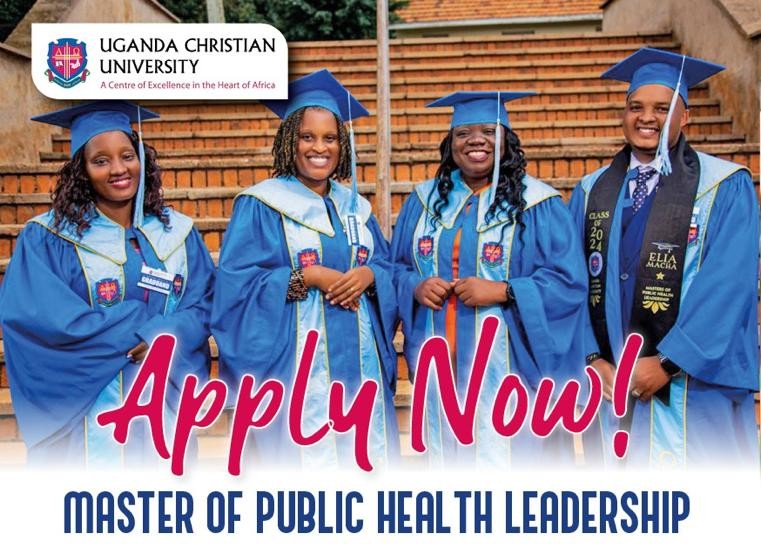
Ready to lead change in public health?
Applications are open for the next MPHL cohort.
Apply now: HERE
Stay connected for updates, inspiring stories, and ways to engage:
Follow Us




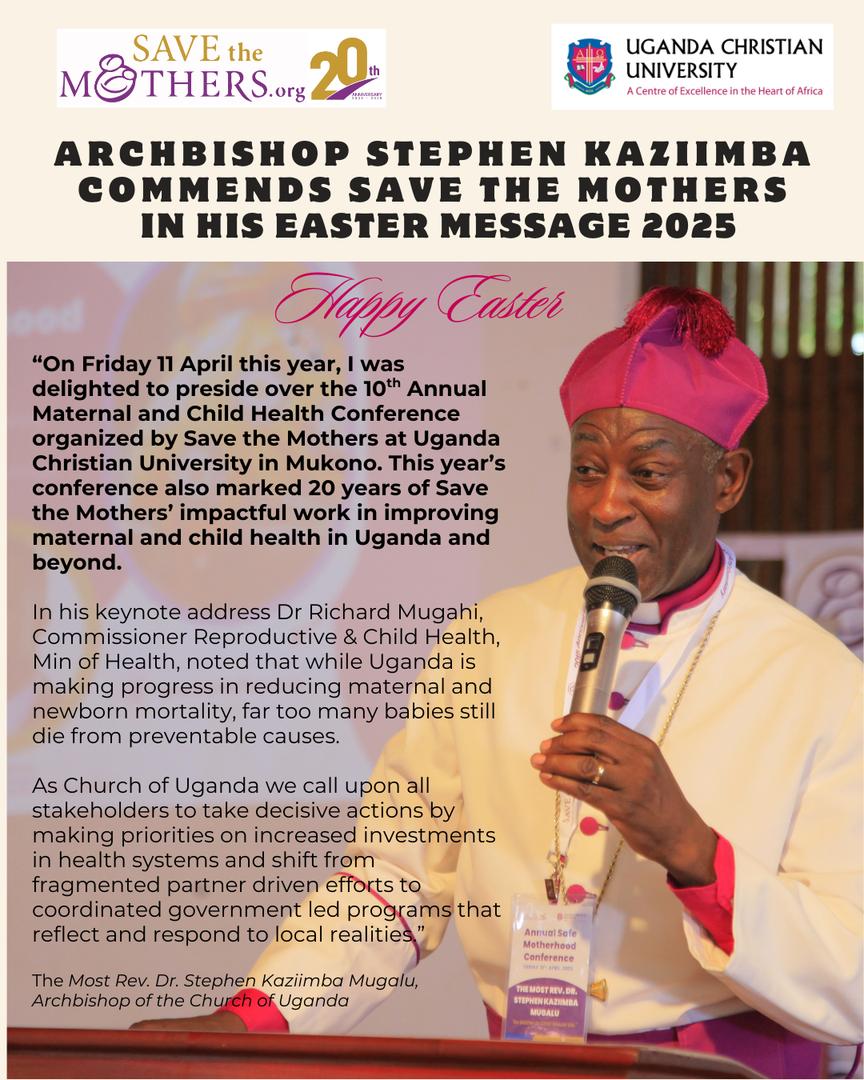
Annual Maternal and Child Health Conference 2025
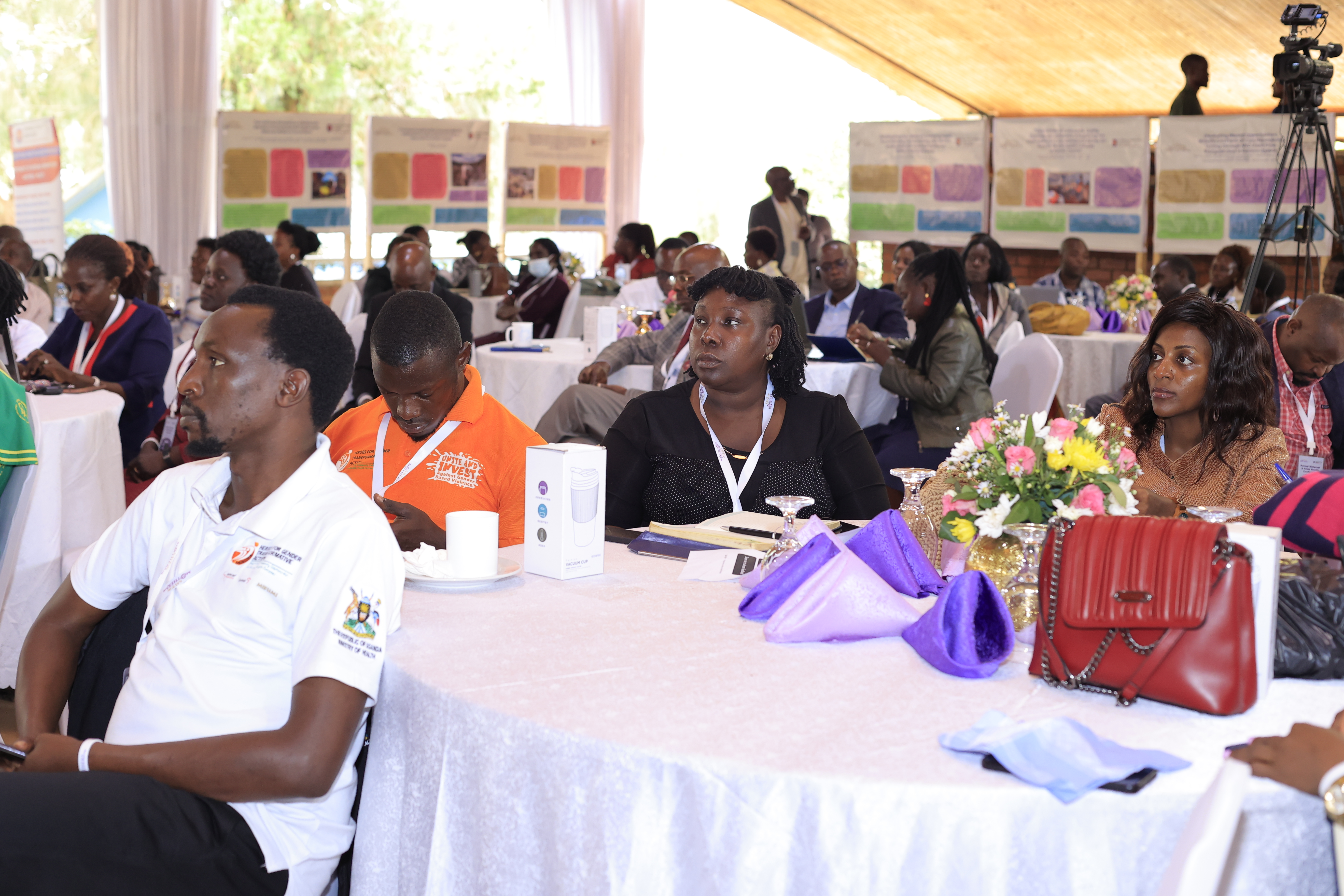
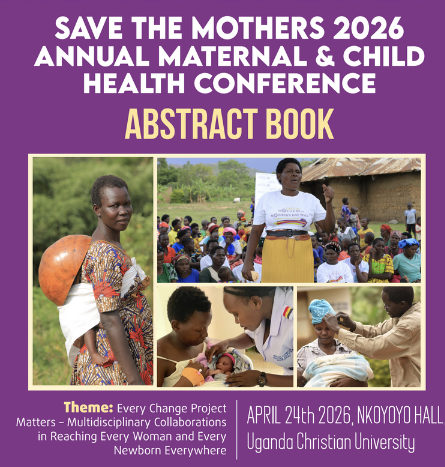
The Safe Motherhood Conference is an annual conference organized by Save the Mothers and its Partners. It was launched in 2023 and it has since been held annually.
The conference agenda is to provide a comprehensive and engaging experience for attendees, with a mix of expert speakers, poster presentations, and opportunities for networking and collaboration.
About Save The Mothers (STM)
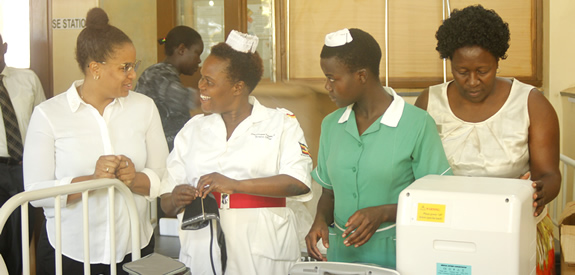
The Save the Mothers (STM) Program offers a Master of Public Health Leadership (MPHL) to working professionals from a wide range of disciplines and not only the health discipline. Save the mothers East Africa hosts the MPHL at Uganda Christian University (UCU), Mukono.
The MPHL started at UCU in 2005 with the aim of training multi-disciplinary professionals and contribute to improve maternal and child health in developing countries.
Latest Updates
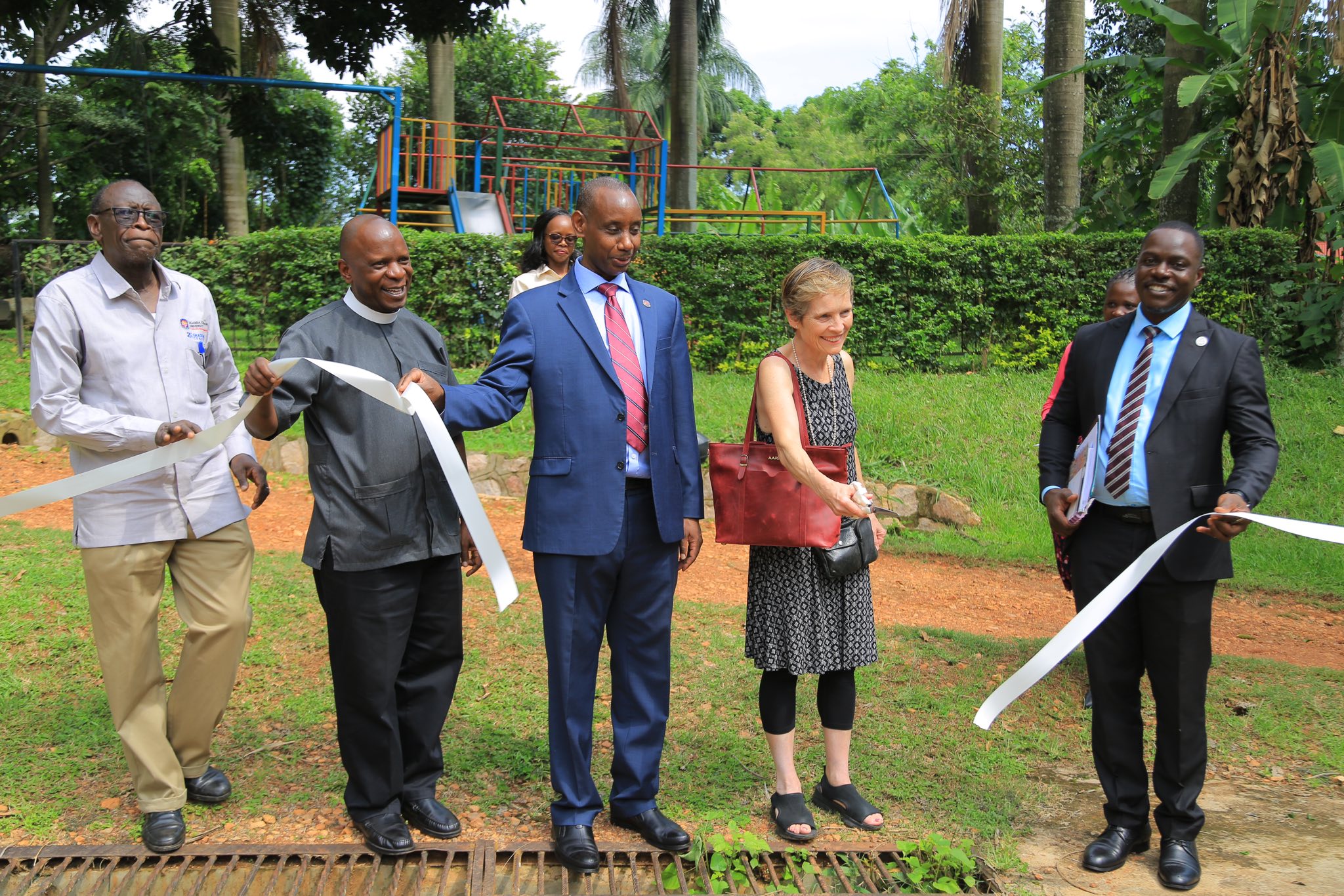
Save the Mothers Outreach
- Save the Mothers Outreach
- UCU Honors Dr Jean Chamberlain Froese
- New NICU brings hope to mothers, newborns in Northern Uganda
We’re proud to work alongside the Church to promote safe motherhood and HIV awareness across Uganda.
Dr. Jean is a globally recognized expert in women's health, an obstetrician/gynecologist, and a professor at McMaster University in Canada.
She is also one of the founders of Save the Mothers and founding Executive Director of Save the Mothers, an NGO committed to reducing maternal and child mortality.
In collaboration with UCU, Dr Jean helped establish the Master of Public Health Leadership (MPHL) program, which has since trained over 500 professionals to advocate for safe motherhood across Africa and beyond. The MPHL is UCU’s safe motherhood flagship program.
From 2005 to 2017, Dr. Chamberlain worked with Save the Mothers program at Uganda Christian University and also the MPHL program, advocating for safe motherhood. In May 2017, she returned to full time obstetric practice in Canada and continues to support the work of Save the Mothers.
Let’s celebrate Dr Jean’s legacy and the impact of her work on the lives of mothers and babies in East Africa and beyond.
A new chapter of hope and improved healthcare has begun for mothers and newborns in Northern Uganda with the official launch of a Neonatal Intensive Care Unit (NICU) at Amai Community Hospital in Amolatar District.
Save The Mother’s East Africa (STMEA), in partnership with Uganda Christian University (UCU) and with the generous support of donors, celebrated the momentous occasion, marking a significant step forward in addressing the critical need for specialised neonatal care in the region.
Amai Community Hospital serves as a vital referral centre, catering to a large population spanning Amolatar, Kaberamaido, and Dokolo Districts. According to the Uganda Bureau of Statistics (UBOS) 2024 estimates, Amolatar District has a population of over 135,000 people, while neighbouring Kaberamaido hosts approximately 210,000 and Dokolo 185,000. The hospital has long been grappling with frequent maternity-related referrals, underscoring the urgent need for a fully equipped and functional NICU.
The newly launched NICU will enable Amai Community Hospital to admit and effectively manage pre-term babies and newborns facing various health complications. STMEA and its partners have already equipped the unit to handle a considerable number of cases, a development that promises to dramatically improve neonatal health outcomes in the region. However, hospital officials say more equipment is still needed.
UCU Engineers, under the leadership of Engineer Fred Kahinda, played a crucial role in the project, spearheading the expansion and remodelling of the NICU facility to create a more conducive and healing environment for the delicate newborns.
During the launch ceremony, Dr Mushin Nsubuga, Executive Director of STMEA, expressed his gratitude and urged the community to utilise the new facility responsibly. “Now that the NICU is here, let us appropriately make use of it. Let us take care of the equipment so that it can serve as many mothers and babies as possible,” he said.
Dr Nsubuga also called upon the clergy present to actively participate as community engagement ambassadors, emphasising the importance of health facility-based deliveries for all mothers. This, he stressed, is a key strategy in reducing both maternal and neonatal mortality rates.
Dr Nsubuga further pledged STMEA’s unwavering support for Amai Community Hospital, announcing that the next phase of their commitment will focus on providing comprehensive and ongoing training for all NICU staff. This initiative aims to ensure that the hospital’s medical personnel are equipped with the latest knowledge and skills to deliver the highest standards of care to newborns.
The establishment of this NICU is particularly timely and crucial for Amolatar and the surrounding districts, where access to specialised neonatal services was previously severely limited. In the past, families faced the daunting challenge of travelling long distances, often under difficult circumstances, to seek appropriate care for their vulnerable newborns. This new unit will save lives.
The UCU and STMEA partnership is already delivering transformative change in Northern Uganda. Organisers used the launch to thank the STMEA founders, donors, alumni, and friends whose support continues to create healthier futures for mothers and newborns across the region.

At Save the Mothers we believe that a multi-disciplinary approach is needed to save some of the 342,000 mothers and four million children who die in the developing world annually due to unsafe childbirth.
Read More
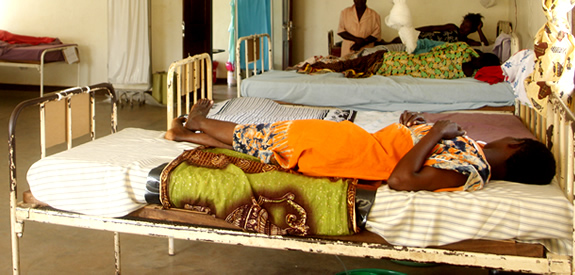
Of all pregnancies anywhere, 15 percent will have a potentially fatal complication. In the developing world, having a baby will be the riskiest thing a woman will do. Yet in most cases, mothers there deliver without any skilled attendant.
Read More

Initiatives
Graduation Highlights